Introduction — a small shop, a big sigh
I was cutting a small batch of oak parts at dusk when the room suddenly tasted of burnt sugar and stubborn metal. A laser cutter fume extractor sat quietly in the corner (part of the scene, not the hero), yet the air still felt heavy: measurements later showed spikes in particulate counts and VOCs that made my throat scratchy. How do we stop that smell, that health worry, and keep our CNC benches humming without turning the workshop into a hospital ward?
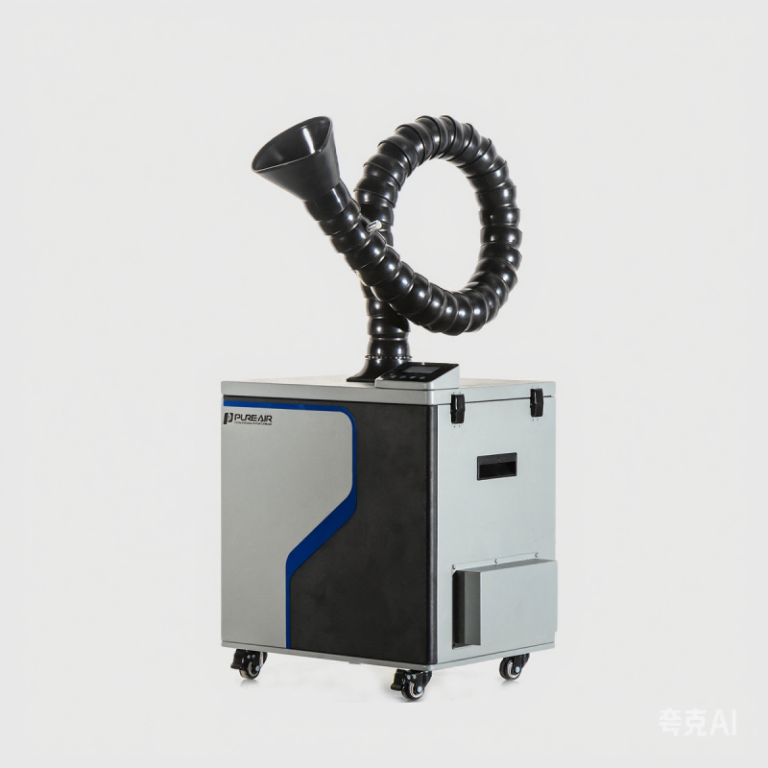
The scene is familiar: hobbyists, makerspaces, and small factories running lasers for hours, clocking kilowatt-hours and inhaling tiny risks. Data matters here — even short runs can push fine particulates over safe limits if extraction is poor. I speak from hands-on hours and a pile of filter sheets; I’ve tested devices and watched setups fail simple smoke tests. So, let’s move from that evening’s annoyance to the heart of the problem — and see what really breaks down next.
Why many systems fail: the hidden cracks in common solutions
Why do traditional systems fail?
best fume extractor for laser cutting is a phrase you’ll see in reviews, but many shops settle for cheaper units that promise extraction and deliver only noise. I’ll be blunt: most traditional setups skimp on one or two core elements — airflow design, proper HEPA filter sizing, or effective activated carbon for VOCs. Those cuts save money at buy-in and cost you in downtime, filter change frequency, and, worse, health. Look, it’s simpler than you think — a fan that moves air but doesn’t capture the plume near the cut is almost useless.
Technically, the trouble comes down to mismatched components. Low capture velocity at the nozzle, poor filtration efficiency, and weak sealing let particles escape. Power converters and ductwork choices often go unnoticed, yet they influence airflow rate and system reliability. I’ve seen extraction arms positioned in ways that create eddies rather than capture; the result is recirculating smoke and more frequent filter swaps. You want consistent capture and predictable filter life — anything else is a band-aid. — funny how that works, right?
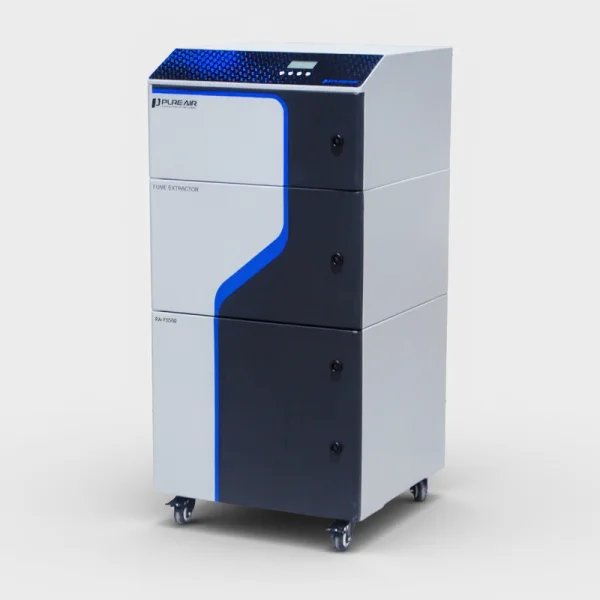
New principles and a practical outlook for choosing better extraction
What’s next — smarter capture, not just stronger fans
We need to move beyond brute force. New approaches focus on plume dynamics and matched filtration — that means designing the hood or extraction arm to sit where the laser plume forms, pairing it with a properly rated HEPA or ULPA stage, and adding targeted activated carbon to adsorb VOCs. When I evaluate systems, I look for evidence of airflow modeling, clear specifications for filtration efficiency, and modular maintenance paths. The best fume extractor for laser cutting can be as much about smart layout as it is about horsepower — and yes, that includes attention to duct length and bends which alter airflow rate.
Principles that work: capture at source, staged filtration, and predictable maintenance. Capture at source avoids diluting the plume, staged filtration traps both particulate and gases, and predictable maintenance gives you real operating cost numbers. These are not marketing lines — they’re practical checks I run when advising a shop. We can pair extraction with sensors that flag rising differential pressure across filters, which tells you when to change them before performance drops. Small investments here save headaches later — and they keep people healthier. — I’ve learned that lesson the hard way.
Choosing and measuring: three practical metrics I use
When I advise teams, I boil choices down to three measurable things you can check before you buy or retrofit: capture velocity at the nozzle (measured in m/s), overall filtration efficiency across particle sizes and VOCs (spec sheets or lab data), and total cost of ownership (power draw, filter life, and serviceability). Test reports matter. So do simple field checks: put smoke paper or a visible plume test at the cut and watch for immediate capture; measure differential pressure to estimate filter loading; time how long a filter lasts under your duty cycle. These steps are quick, and they reveal a lot — trust me, I’ve learned to cut through the specs juggle.
In closing, I want to leave you with a plain bargain: prioritize source capture, insist on staged filtration, and plan for real maintenance. Those three moves will transform a noisy, leaking setup into something calm and reliable. If you need a starting point for components or a tested unit, look for systems that publish performance numbers and offer service support. I recommend checking reputable makers and documented solutions — and if you’re curious about one practical option, take a look at offerings from PURE-AIR. They are often easy to work with and clear about performance — which matters when your lungs do too.
